
Technical clarity, method and responsibility on site
The prevailing perception: the architect as an exception on site
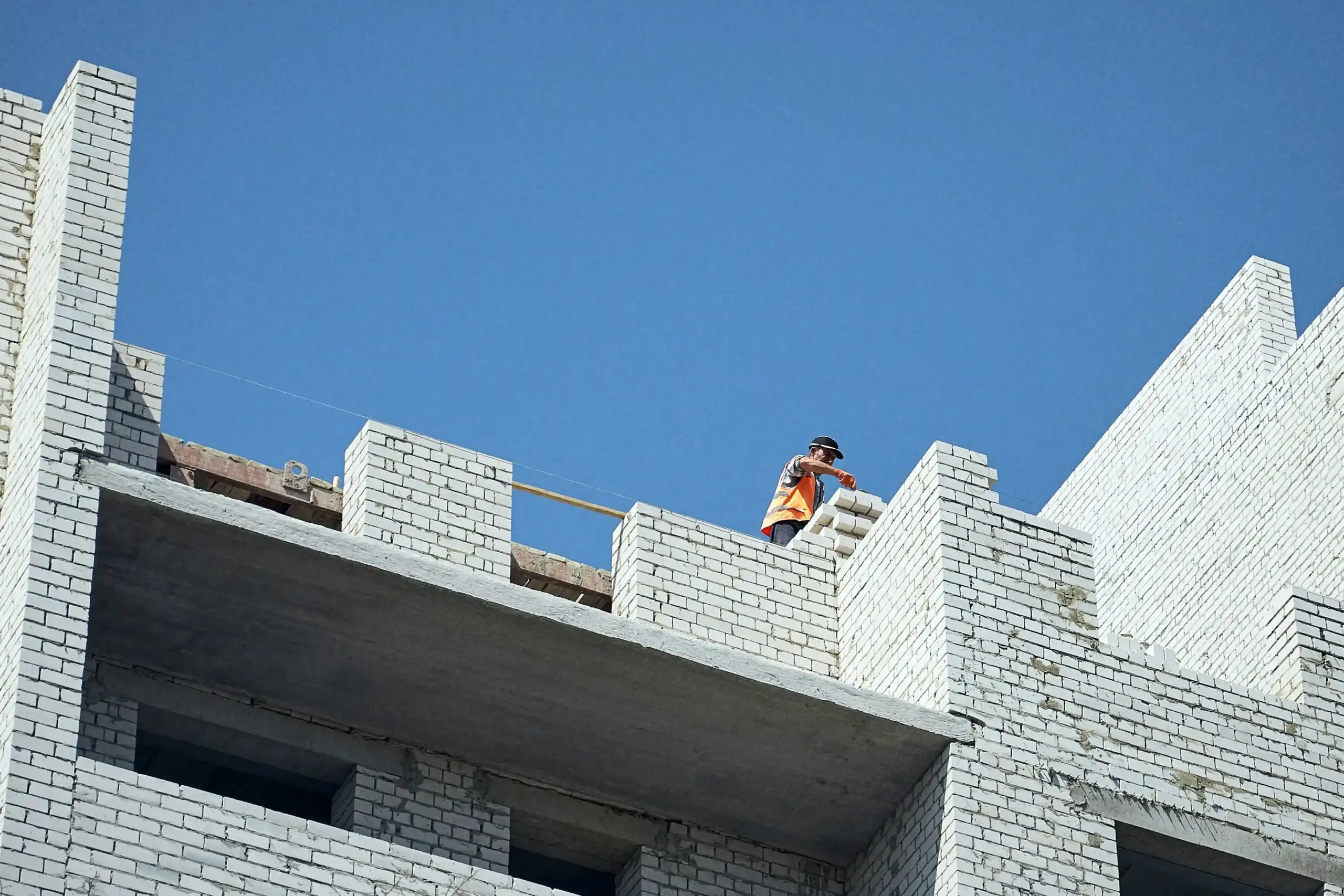
Construction supervision is a function of high technical responsibility and risk control, open to both architects and engineers. Even so, architects are still often treated as exceptions on site, as if technical authority naturally belonged to the engineer. In many contexts, an architect acting in a supervision role is addressed as “engineer” without correction, not out of carelessness, but because a cultural assumption still persists that architects belong to design, not execution.
In reality, a construction site respects those who bring clarity, resolve uncertainty and guide decisions with rigour, not those who simply carry a title. Technical authority is built through the way one communicates, the judgement one applies and the trust one creates. On site, being heard is not a matter of rhetoric. It depends on the evidence built through practice.
Supervision is not presence. It is a system
More than presence, supervision means operating a system. Inspection planning, compliance checks, non-conformity records, change control and decision traceability are not secondary tasks. They are the foundations of a practice that protects the project owner, reduces risk and safeguards quality. Effective supervision identifies critical points before execution, guides teams with clarity and ensures that each stage of construction delivers what was intended. The result is not only organisation. It is confidence.
Every decision taken during execution must leave a trace. It is not enough for it to be communicated. It must be recorded with context, date and responsibility. Without documentation, a decision can be reinterpreted. Without accountability, it can be ignored. Without timing, it loses priority. A change with no traceability creates room for technical uncertainty, commercial disputes and friction between teams. Effective supervision acts precisely at that point. It ensures that what is decided today is not lost tomorrow.
Growing expectations: more than compliance, clarity and continuity
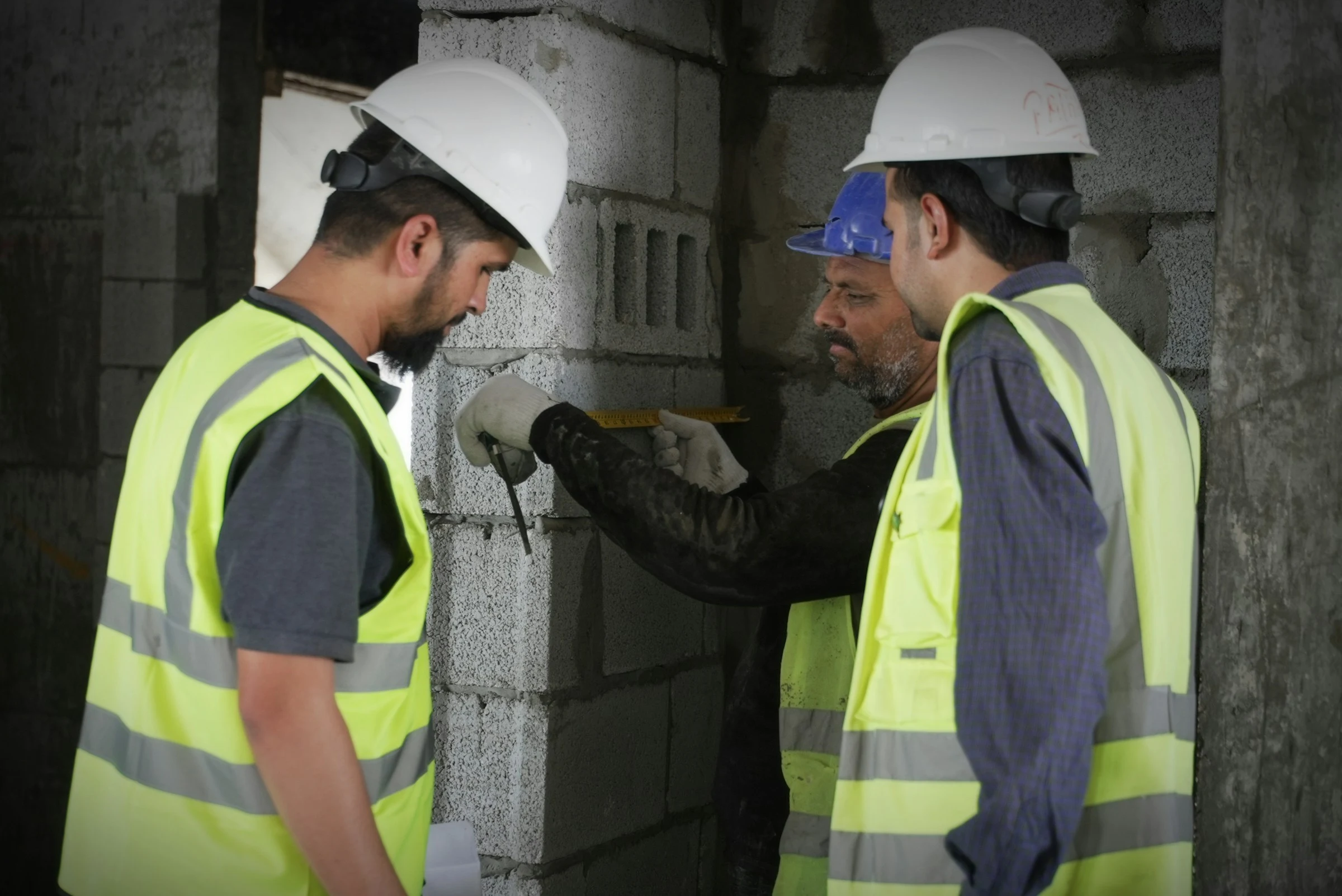
This documentary discipline is no longer optional. The sector has changed. Developers and investors have become more demanding in relation to decision traceability, change control and process documentation. Today, construction supervision is expected to identify risks, act with technical judgement and maintain a reliable record of execution. When that does not happen, a project moves forward by inertia and the investment loses direction.
Where the architect’s perspective makes a difference
In refurbishment, heritage, hospitality or projects with a high degree of architectural ambition, this level of clarity becomes even more important. Technical complexity is high, detail accumulates and deviations from the design can have a direct impact on the final value of the asset. In these contexts, the presence of an architect in a supervision role is not simply legitimate. It is relevant. Architects understand design intent, master the language of construction and are used to managing interfaces between technical disciplines. On site, that integrated reading allows them to solve issues quickly, preserve the coherence of the project and turn design decisions into executable instructions.
Method and responsibility: what sets the role apart
An architect who supervises with method acts as a guardian of alignment between intent and reality. They are prepared to respond to unforeseen conditions without compromising performance. Where another professional may see only a deviation, the architect may recognise a change that affects architectural quality, propose compatible alternatives and articulate solutions between design and construction. In projects where architecture is part of the asset, whether through the identity of the building, user comfort or environmental performance, that technical presence becomes a factor of protection and investment value.
But the value of supervision is not established through comparison between professions. It is established through practice. What distinguishes structured supervision from decorative presence is not the academic background of the person performing it. It is the evidence of what is done, how it is done and with what consequence.
Recognition is not claimed. It is earned
Some signs are clear. A competent supervisor works with a plan. They know which points in the work are critical, when they must be checked and what is or is not acceptable. They issue reports that guide rather than merely describe. They keep decision records with clarity. They follow corrections through to closure, not only to notification. They speak to the site team in precise language without losing technical depth. They respect formal processes, but understand that communication itself is a tool of authority.
None of this is improvised. It requires technical knowledge, accumulated practice and the ability to remain independent under pressure from programme, cost or convenience. Good supervision does not avoid conflict. It resolves it. And it does so through judgement, responsibility and documentation.
A clear proposition for the sector
What is being proposed, then, is not a debate about status. It is a call for higher standards. Construction supervision should be recognised as a specialised technical function, with direct impact on quality, cost and final outcome. It should be exercised with method, judgement and traceability, by professionals who understand the realities of execution and know how to turn decisions into concrete direction. Among those professionals, architects bring a specific contribution, especially when a project depends on close reading of detail, coordination across disciplines and the protection of an intent that is ultimately tested on site.
In the end, what protects an investment is not the number of site visits, but the technical quality of what is checked, recorded and validated. When construction supervision stops being seen as a formality and starts being understood as an active practice of control, everyone benefits: the client, the project, the construction process and the reputation of the professionals involved.
Related Articles

Communication as a Decision System
In a project, a delayed answer or an unclear instruction impacts time, cost and trust.…
Read article