

“We need to submit now.”
It comes at the end of a short meeting, said with the weight of a deadline that must not slip. On the other side, someone tries to slow the impulse down: key system decisions are still open, critical interfaces are not closed, parts of the project are not yet aligned. The conversation ends with an unspoken agreement. Move forward, solve it later.
That is how many delays begin, without anyone planning them.
When the schedule tightens, “submit now” sounds pragmatic. In practice, it often triggers a cycle of rework and friction that makes the project slower and more expensive than it would have been with coordination.
The pressure is understandable. There are sales to prepare, financing milestones to meet, internal decisions to defend. And there is the belief that starting the administrative clock equals progress. The problem starts when that becomes the only compass and the project is treated as a sequence of formal submissions, forgetting that a project is, above all, a chain of technical dependencies.
A simple example is enough. If technical spaces, primary service routes, structural allowances and maintenance access are not settled, a single architectural adjustment can force redesign of systems, revisions to build-ups and a full recheck of compatibility. This is not fine detail. It is coherence. When you force an early “close”, work is rarely removed. It is simply moved to a stage where it costs more.
Submitting is not closing
A common mistake is to confuse two moments that look similar but are not: starting a process and completing the technical work. Submitting can be necessary. It can be a strategy. But submitting does not replace coordination.
When time is “saved” through pressure, what is reduced is the margin for consolidation. What remains open returns later as additional requests, repeated corrections and parallel versions. Each party responds to their fragment and, suddenly, the project no longer has a single state.
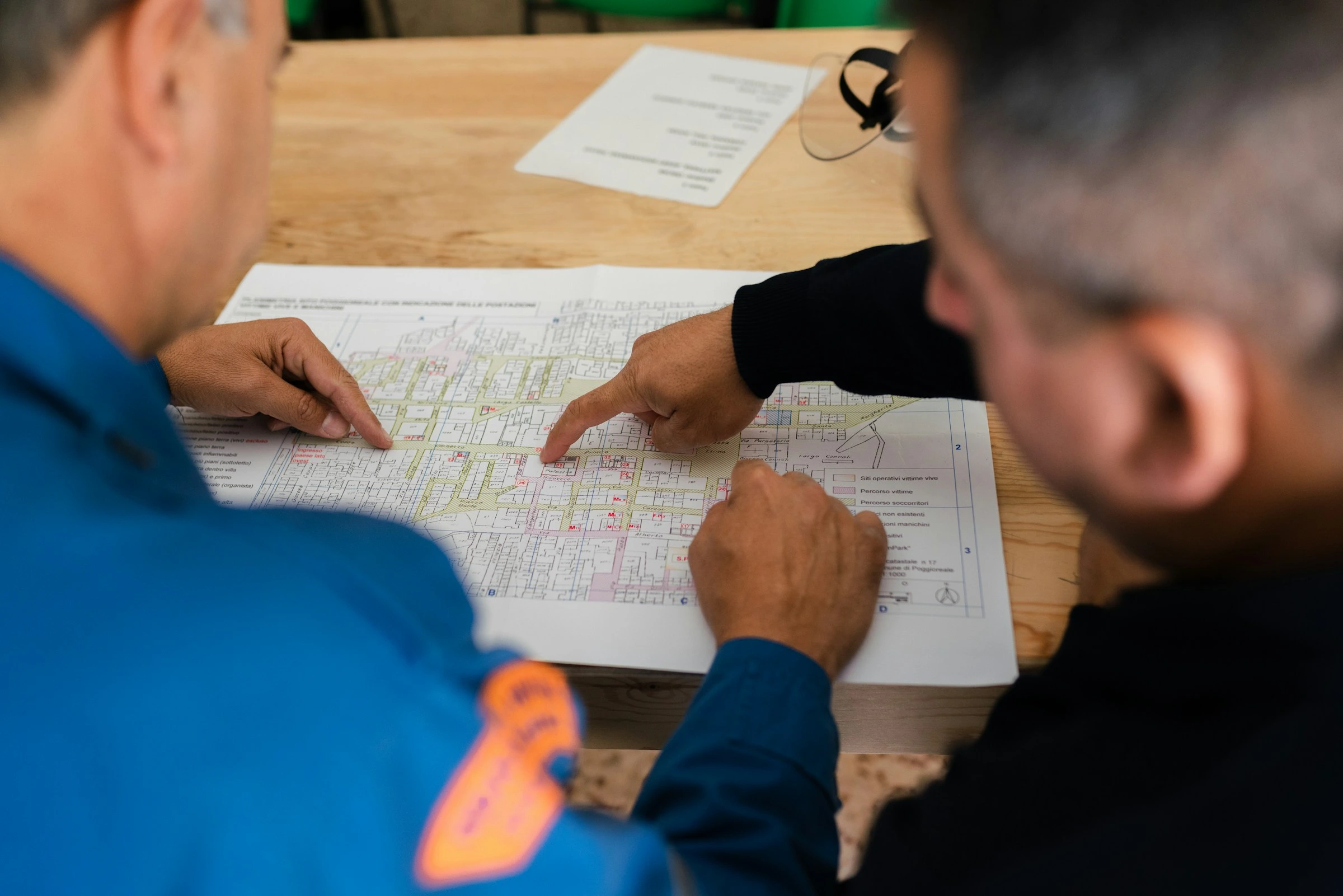
A project without a single state becomes a project under permanent discussion.
In refurbishment, this effect is amplified. Existing conditions bring constraints and surprises, and the disciplines do not operate independently. A change in clear height or an alignment can affect plant space, ducts, drainage and safety requirements. What was not coordinated in design ends up being coordinated later, with less freedom and direct impact on programme and timeline.
The invisible cost of urgency
Urgency has a side effect that few anticipate: it damages communication. When pace is imposed without method, the sequence is shortened. Answers are given without confirmation. Items are “closed” without compatibility checks. Assumptions become implicit. It can look like efficiency. It usually produces misalignment.
Owners push for speed to reduce risk, yet by compressing coordination they increase precisely the risk they want to avoid. The technical team spends energy managing noise and repositioning instead of consolidating decisions and closing critical interfaces. The process becomes reactive. Trust begins to erode.
COLUNA’s position remains constant, regardless of who authors each discipline. Whether COLUNA delivers architecture and engineering internally, or works alongside other design teams, the principle is the same: protect the whole. That requires a project that stays legible, consistent, and comparable with itself over time.
Coordination is not bureaucracy
Coordination is not perfectionism. It is discipline applied to what carries weight. Here, coordinating well means closing early what, if it fails, will later create cascading impact.
You do not need everything finished to the millimetre to move forward. But you do need to close what conditions everything else, and keep what remains open visible: what it is, who owns it, and by when.
Real time gains do not come from submitting earlier. They come from reducing unnecessary iterations and avoiding coordination being forced onto the construction phase.
A simple method to protect speed and predictability
The alternative is not to slow down. It is to shape the rhythm.
A minimal structure is often enough:
- Decision moments: what the Owner must decide, and when.
- Critical interfaces identified: what must be coordinated before submission.
- Review cycles with clear timelines: to control time and reduce noise.
- A single control board: where decisions, open items, versions and responsibilities live together.
The value of that board is not sophistication. It is preventing the project from splitting into multiple realities, and making parallel versions an exception that is visible and resolved.
In the end, the choice is not between speed and rigour. It is recognising that without coordination, speed is usually a false time gain. And that an Owner’s maturity is not measured by the pressure placed on the calendar, but by the ability to create the conditions for decisions to happen at the right moment, with clarity, consistency and predictability.
Related Articles

The Role of Architecture in Investment Planning
In real estate investment planning there is a quiet moment when almost everything is decided…
Read article
Who killed the project’s budget?
A budget rarely dies suddenly. It dies by accumulation. It dies from small decisions that…
Read article